
Unveiling the World of Goth AI: The Intersection of Technology and Alternative Culture
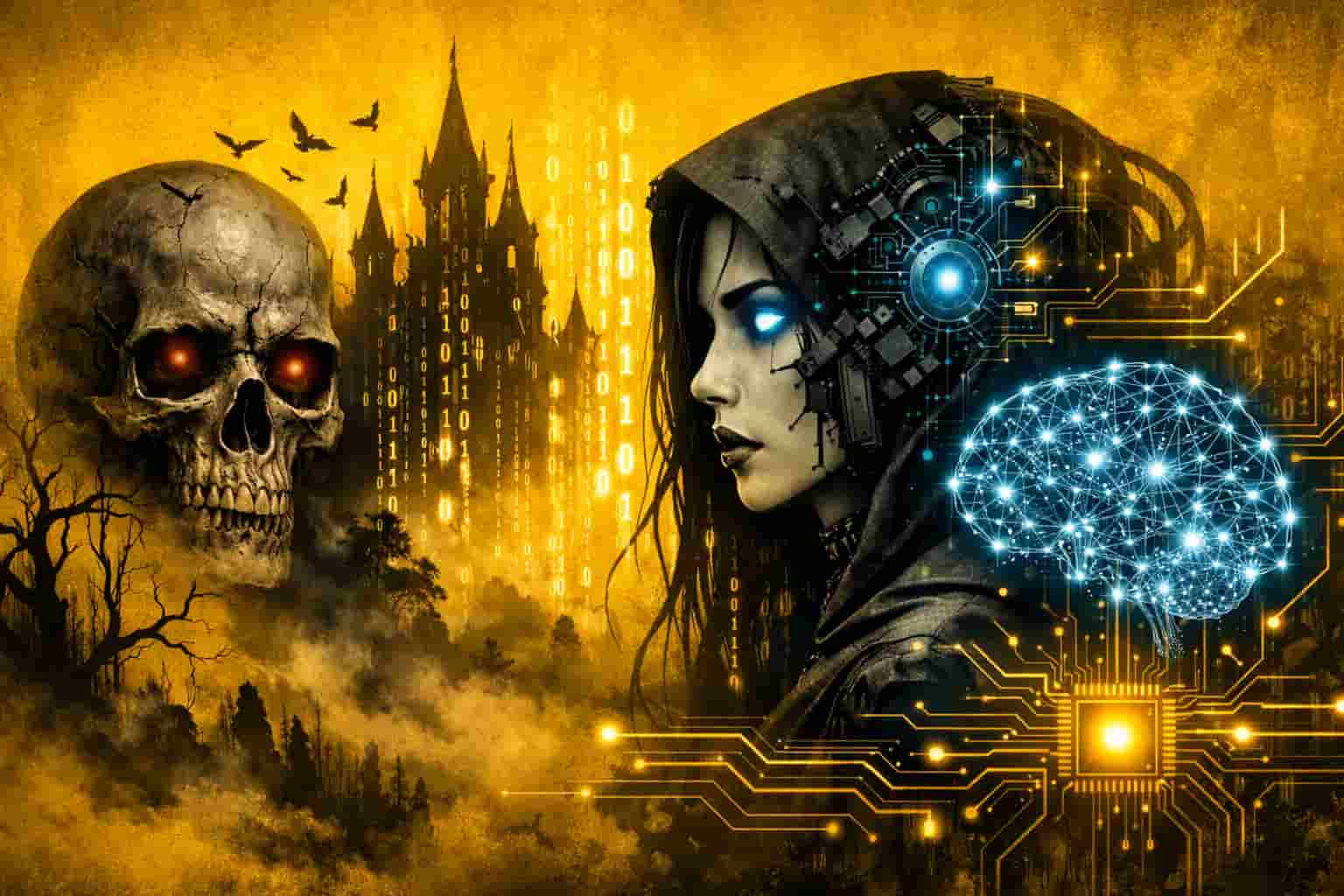
Have you ever thought about how AI intersects with unique, niche cultural settings like the Goth subculture? That is quite an idea, isn’t it? Goth AI is an unordinary blend of the ultimate in machine learning and the dark world of Goth culture. Yet, how can such an alliance work? And why is this novel alliance howling uncontrollably now?
In these two sessions, we shall shift our crossing hairs from the What to the How. We will grapple deeper with Goth AI, see What, Why, How, and why it is going to revolutionize the very concept of digital creativity and social interaction. Let’s untangle this weird innovation and get to know why it would be one of the most exciting tech trends chance in the future.
What on Earth Is Goth AI?
The “AI” in Goth AI signifies a fusion of goth aesthetics, themes, and culture with artificial intelligence technology. Just imagine a world where the AI does not just understand how you think and feel but also interacts with everything dark in your temperament, drawing inspiration from the eerie and the supernatural and nyabouts in goth culture.
Artificial intelligence can predict our thoughts and listen to darker songs; at the same time, it seems to be at home with darker fashion, dark arts, and literature. Creepy AI doesn’t just solve problems or provide information it interacts with users to create intense emotional connectivity and personify the moodiness and mystery surrounding the goth community.
As Samara Mills, a technology expert, says, “The occurrence of niche AI applications, such as Goth AI, which tailor to human creativity, irrespective of how minor or subcultural, allows us to envision what technology is truly about.”
How Is Goth AI Influencing the Space of Digital?
Goth AI bears a whole new meaning to a field run by artificial intelligence. In the world of artificial intelligence, especially concerning digital art, we have never seen AI systems that might understand goth styles-dark, moody, and mystical visuals. It is this operation that now makes AI to create arts, however digital, alongside gothic themes for digital artists, graphic designers, and maybe even musicians.
Yes, the opinions on these bands are indeed the primary focus for viewmuseum.culturmultipunele prejud hyper-rmhyperlink to the nth degree about the exploration of socially controlled fairies reacting to a grading medium that is capable of the impossible. Or, really, let’s be actively creepy in these hairball category models. Probably some kind of sympathy/sympathetic kind of veil scheme, almost deityly, but again, how strongly can this be typed up for publication?
Sure, Gothic AI is not just constantly creative but it also brings people together. The wind of many social interactions blowing in the realm of the virtual means AI-run social platforms are able to craft theme-like experiences. Picture an exchange with an AI that seems to relate to you with its goth thinker aura, or any online happenings that have platform aesthetics in sync with the constituent element of gothic. A world full of brand new, immersive social experiences opens before you.
The genre also invades gaming, where AI sets the tone to create atmospheric gothic gaming worlds. Players find themselves interacting with AI-designed characters specially modulated for the dark fantasy and cynicism found in gothicism-infused tales.
Does Gothic AI Cause Any Effects in the Music conglomerate?
Absolutely. The goth music scene is already being influenced by the growth of AI-powered music generation. With just a few adjustments, AI can induce spooky and magical tunes, composing lyrics so intricate and long that they reflect the introspective attitude of the dark concern. AI allows musicians the chance to reshape never-before-heard sonic landscapes in their own artistic forms.
In fact, they are not only collaborating with AI in the manufacture of much less trivial concepts, but they are moving towards the personal scene as well. As a result of soundscapes now produced by AI, it gets much easier to create these moody, experimental tracks reflecting the very apt mood of Gothic culture.
How Does Goth AI Benefit Creators and Artists?
AI Goth is a groundbreaking tool for the goth community artists and creators. It can be useful not only to make music, design art, or write but also to inspire creative thinking for new projects. Technological-driven by AI platforms that could enlighten trends in the goth community and foretell the forthcoming styles for gothic creators and the insights needed for them to continue staying relevant in an innovative way.
“Goth AI plays the role of not just a tool but a co-creator,” says independent artist Luna Vance. “It puts forward an entirely new framework of technology, one that has great promise for pushing and exploring the boundaries of imagination.”
Frequently Asked Questions (FAQ)
Q1: How does traditional AI differ from Goth AI?
A1: Traditional AI concerns itself with the problem-solving and productivity-winning teams of Goth AI, which embraces gothic culture and focuses on dark aesthetics, emotional depth, and artistic expression.
Q2: Could AI truly understand goth music?
AI development continues to progress with goth music analysis, whereby it reads music trends and replicates the gloomy atmospheres and dolorous nature of the backdrop of this genre.
They would make important suggestions on clothes and trends to then buy domain-specific goods created by them; Goth AI can, according to one claim, introduce customized fashion trends to fill an, so far non-existing gap. This would be a godsend for people who are involved in the subculture.
A4: So is Goth AI for gothic enthusiasts only?
Although its roots lie in gothic subcultures, these AI systems can focus on anyone that has an interest in darker, more experimental forms of art, music, and interaction.
Q5: Will Goth AI influence future digital cultures?
Absolutely. Goth AI culture will create an array of efforts to convince other off-chores, including AI, towards similar experiences, making digital spaces more personal and expressive.
Conclusion
Goth AI exemplifies a fascinating embrace of niche subcultures via technology in a way that celebrates creativity and self-expression however; merging AI and subcultural concepts is proving to be an indispensable tool for the creators in music, art, fashion, and social experiences, among others.
For those who find Goth AI intriguing, if you have never taken an opportunity to explore the technology’s potential, be prepared to witness revolutionary changes to your creative life or another digital experience.
